
About Tomoe Tattoo
Located in the heart of Salt Lake City, Tomoe Horimono is more than a tattoo shop—it is a study of Japanese style tattooing otherwise known as Horimono(彫物). our shop operates on a philosophy that Japanese motifs are archetypal symbols charged with the power of the unconscious.
We specialize in the deep-rooted practice of Irezumi. While the term literally means "to insert ink," we focus on the poetic and historical weight of the craft. Our work is an exploration of the tomoe itself—an ancient design signifying a whirlpool or eddy, representing a constant state of transformation.
At Tomoe We don't just provide "body decoration"; we create high-impact, custom tattoos built on a laborious study of Japanese history, aesthetic, and culture. From large-scale illustrative pieces to raw American Traditional, every design is a balance of light and corresponding darkness.
Step into the whirlpool. Get a piece built to last.


It’s not perfection that we strive for
but wholeness.
TOMOE
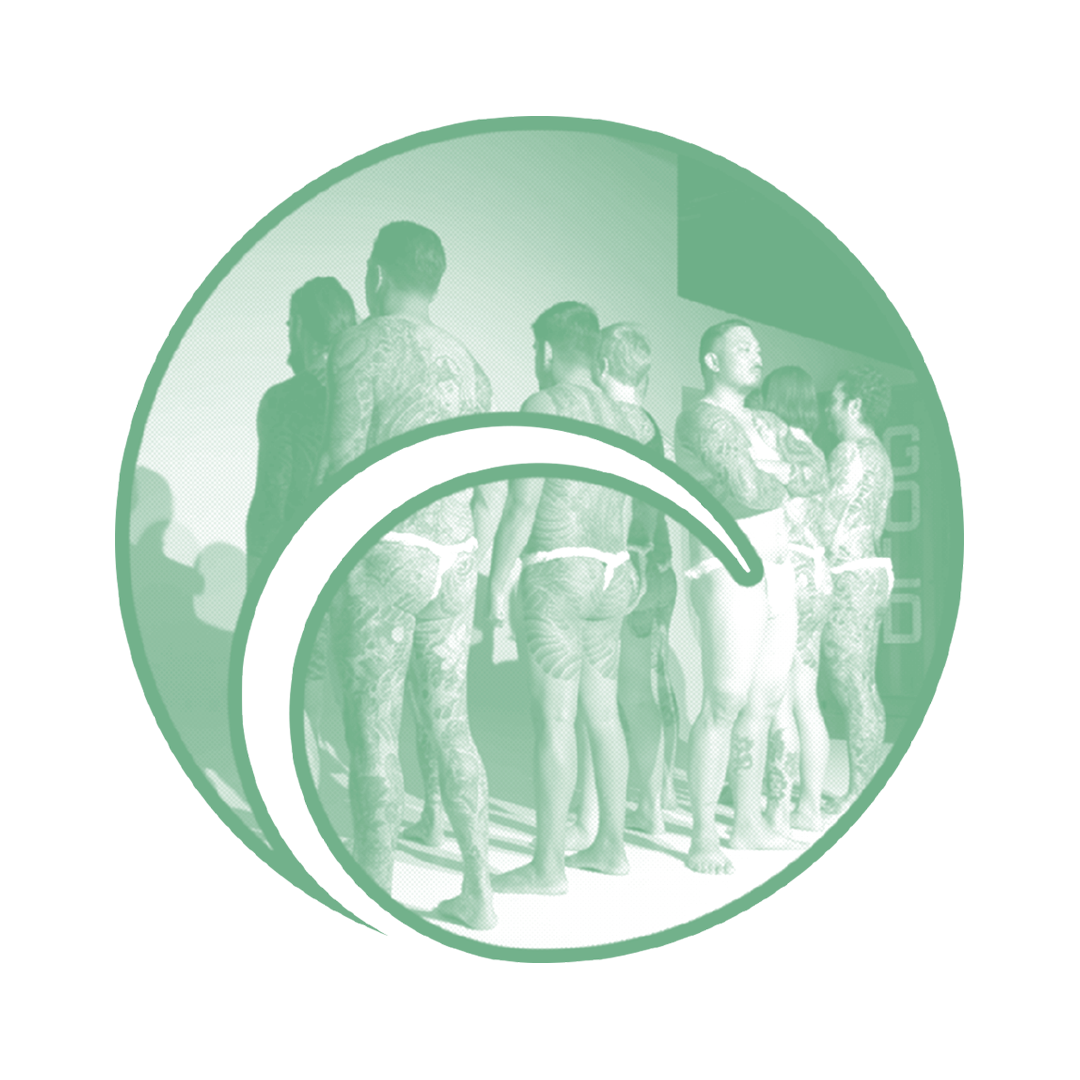
The character tomoe means eddy or whirlpool; however, it is not clear if this was the original idea of the design. Some scholars are convinced that it stems from the design on leather clothing worn by ancient archers
(tomo鞆 thus tomo-e 鞆 絵), a tomo picture. Others say it was originally a representation of a coiled snake. It may be the oldest design in Japan, because it is similar in shape to the magatama 勾玉 beads of the Yayoi period.
IREZUMI
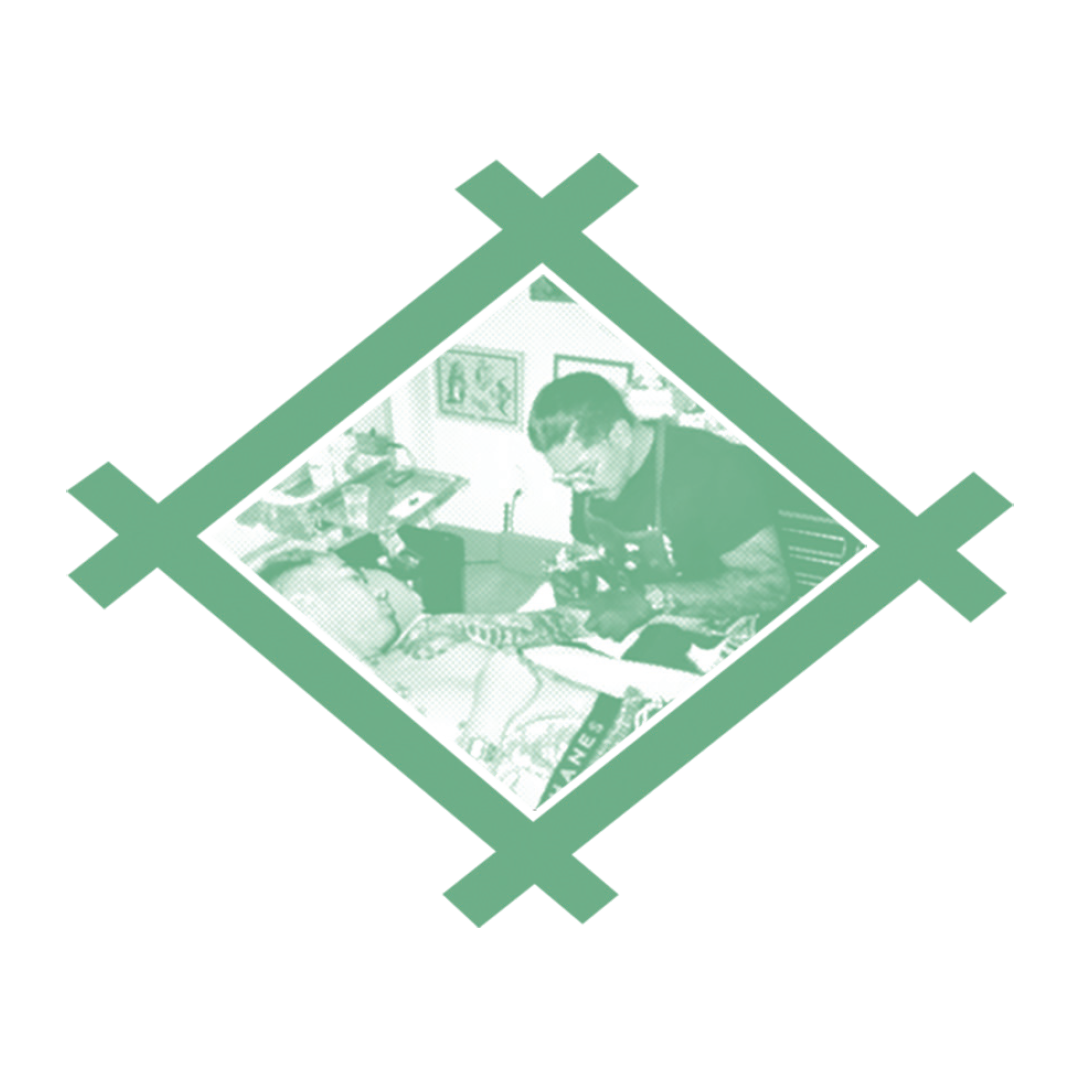
A frequently used term during the Edo period (1603-1868). It’s in 1720 that Japanese tattooing, referred to as irezumi, is put in force by the ruling class. People who committed serious crimes start to become easily recognizable. It’s during this period that Japanese tattooing begins to be perceived in a negative way by the Japanese population.

HORIMONO
A little-known term to the rest of the world but is one of the most used amongst Japanese style tattooists. The use of this term emphasizes a deep respect for the practice. Other terms used to refer to Japanese tattooing: wabori (和彫) “Japanese carving”, shisei (刺青) “pierce blue”, referring to the blue reflections that sumi ink usually takes as it ages, bunshin (文身), “body decoration” and many others, express a poetic description of the craft.